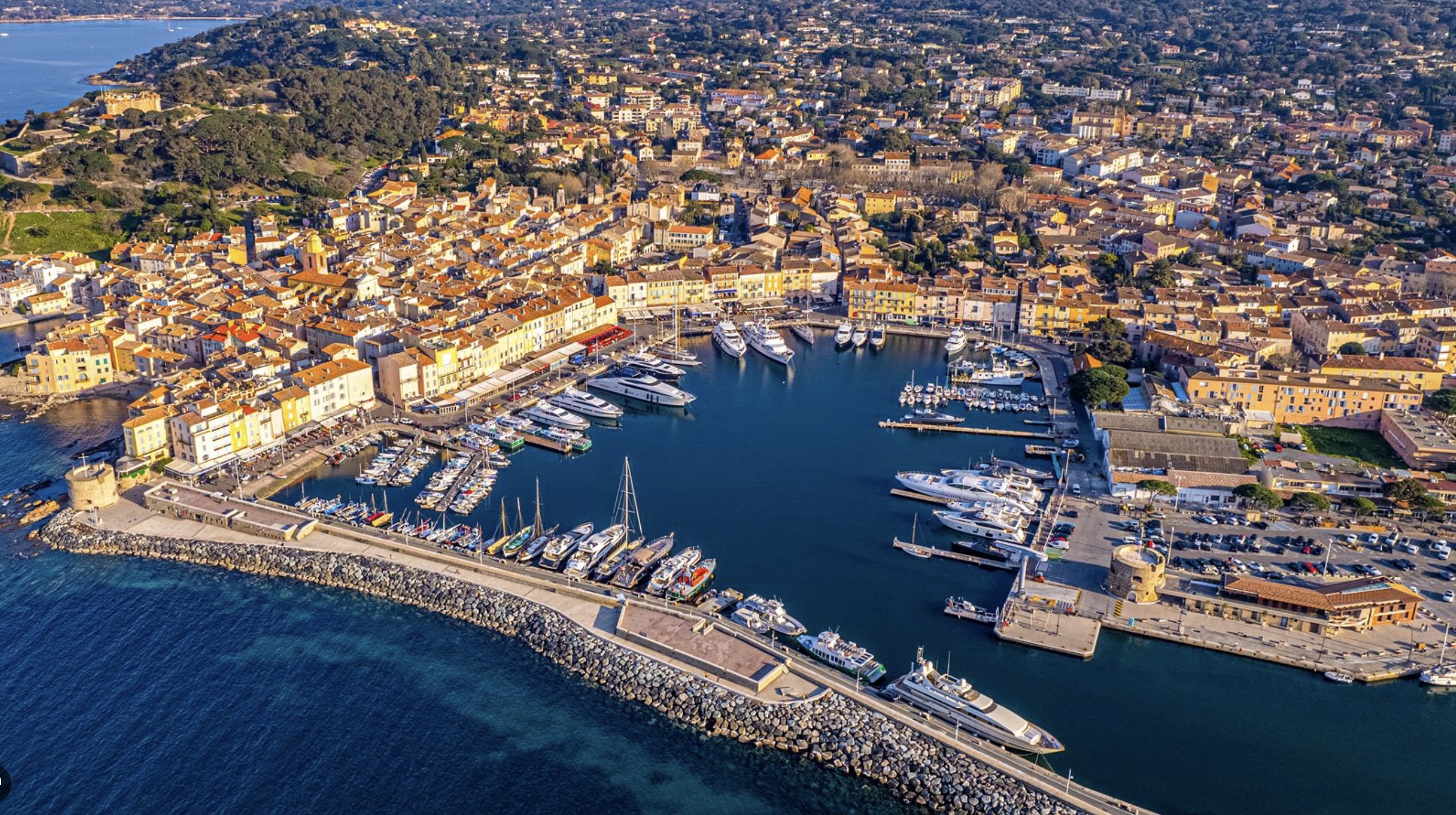

The Rhythm of Saint-Tropez
There are destinations that people visit, and then there are destinations that people enter. Saint-Tropez belongs firmly to the latter.
On the surface, it is a picturesque coastal town — pastel streets, charming cafés, and a harbor lined with yachts. But beneath that beauty lies something far more structured and powerful: a highly concentrated luxury economy, driven not by volume, but by access, timing, and relationships.
After years of operating within the Riviera, one thing becomes very clear — Saint-Tropez is not just a holiday destination.
It is a curated ecosystem of spending, influence, and lifestyle positioning.
Events & Nightlife: The Social Currency of Summer
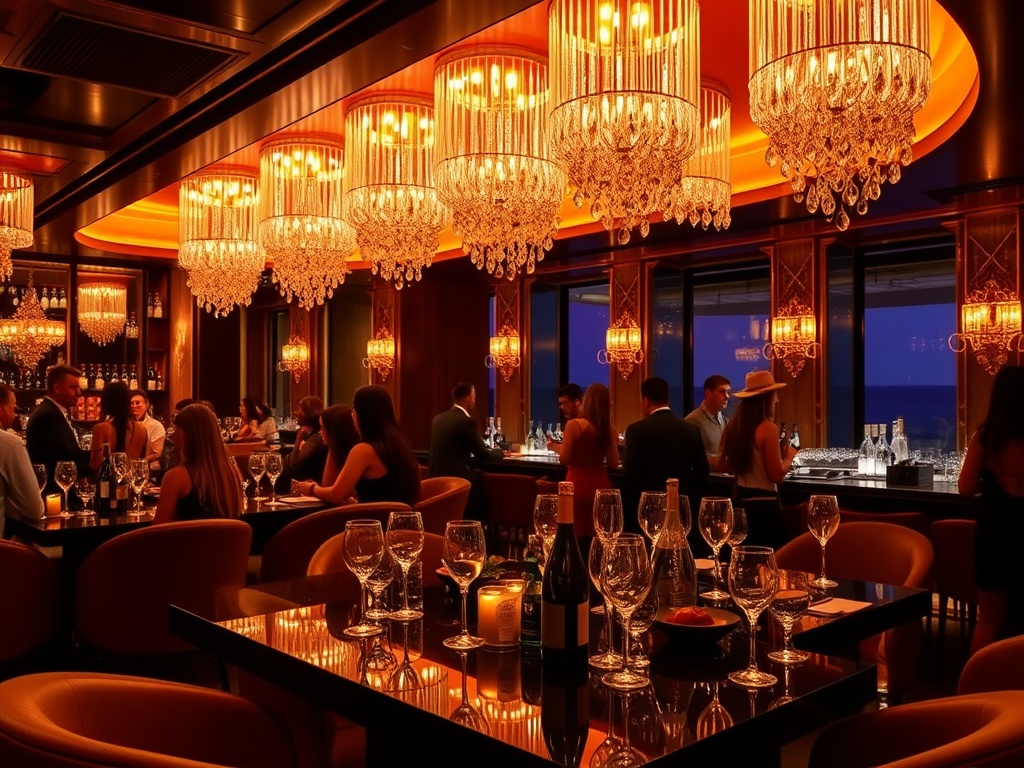
Saint-Tropez's nightlife ecosystem represents far more than entertainment—it is the social infrastructure where deals materialize, networks solidify, and the Riviera's elite congregation. Between June and September, venues like Les Caves du Roy, Nikki Beach, Bagatelle, and L'Opéra Saint-Tropez orchestrate a carefully tiered experience that generates between €80M–€120M in seasonal turnover.
The economics are staggering. A VIP table commands €3,000–€50,000+ per evening. Premium bottle service—the lifeblood of these venues—operates on 70–90% margins. Leading nightclubs achieve €1M+ in turnover during peak weeks alone.
What separates Saint-Tropez nightlife from the transactional venues elsewhere is the emphasis on continuity. Returning clientele have reserved tables. Seasonal patterns are predictable. Access is calibrated by history, not just capital.
Food & Beach Clubs: The Daylight Economy
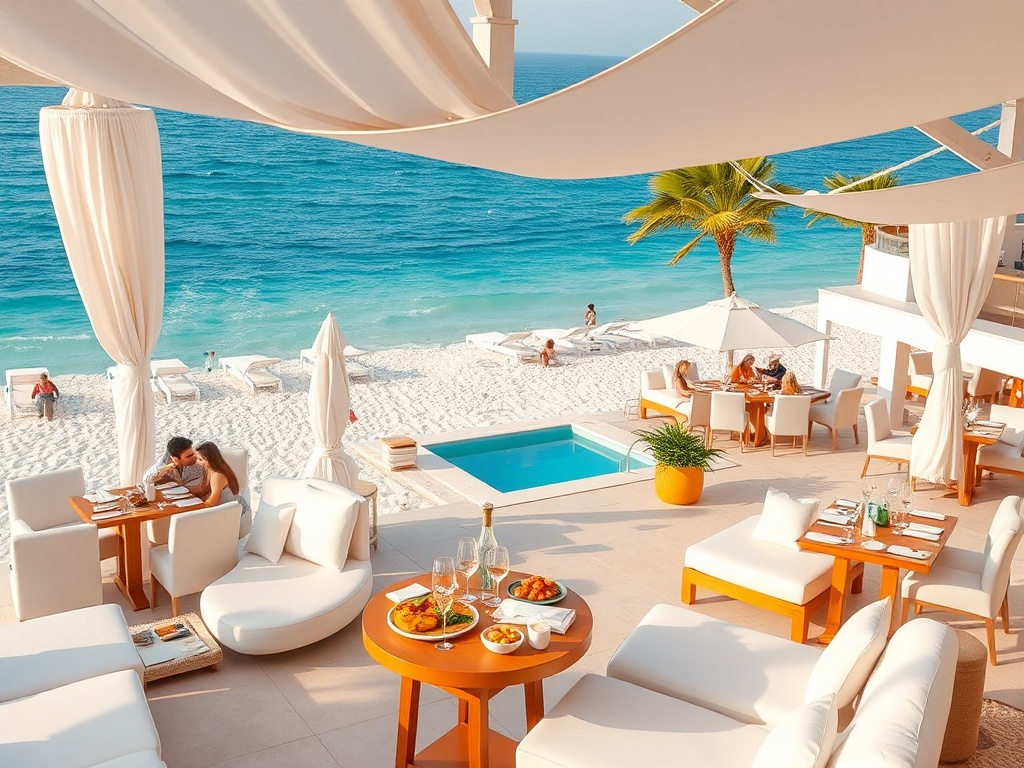
If nightlife is Saint-Tropez's after-hours economy, beach clubs and restaurants are its foundation. Venues like Club 55, Bagatelle, Casa Amor, and La Petite Plage Tropez collectively generate €120M–€180M seasonally, anchored by their ability to command premium pricing for both dining and lifestyle positioning.
The pricing structure reveals the market's sophistication: lunch averages €120–€500+ per person. Beach beds—ostensibly a logistical convenience—command €50–€500 daily. Group dining (8–12 people) ranges €3K–€10K per sitting. These are not restaurant prices; they are membership and positioning fees.
What makes this sector critical to the Riviera's broader ecosystem is its consistency. While nightclubs concentrate spending into peak seasonal windows, beach clubs operate across the entire summer calendar, cultivating habitual clientele and predictable revenue streams. For clients planning extended Riviera stays, these venues function as second offices and informal meeting spaces—critical infrastructure for conducting serious business in a leisure setting.
Luxury Villa Rentals: The Core Capital
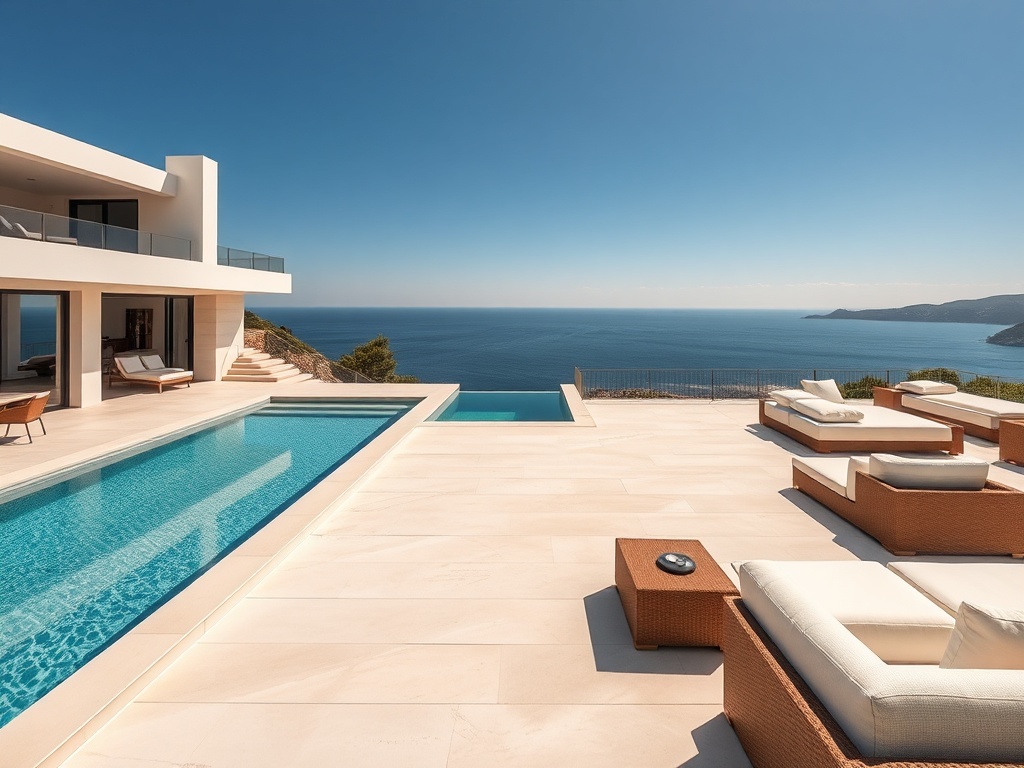
Villa rentals represent Saint-Tropez's dominant economic pillar, commanding €300M–€500M in annual turnover. The market stratifies clearly: entry-level luxury properties rent for €20K–€50K weekly; prime properties, €80K–€250K; ultra-premium villas exceed €300K–€1M+ per week. Critically, July and August account for 70% of annual villa revenue—a concentration that shapes the entire ecosystem's rhythm and pricing power.
Unlike beach clubs or nightlife venues, villa rentals serve as the gateway through which UHNW clients enter the Riviera experience. A week-long stay—encompassing accommodation, staff, logistics, and social positioning—becomes the anchor transaction from which all subsidiary spending flows. This structural position creates unprecedented leverage for those controlling villa inventory and placement.
How It All Connects (This Is the Key Insight)
A typical UHNW client journey in 1 week:
- Villa: €150,000
- Beach clubs & restaurants: €25,000 – €60,000
- Nightlife/events: €20,000 – €100,000
- Yachts/transport: €20,000 – €80,000
💰 Total spend per client/week: €200K – €400K+
What makes Saint-Tropez truly unique is how interconnected every aspect of its economy is.
A typical high-level stay is not defined by a single booking, but by a sequence of experiences:
- A private villa in Ramatuelle or the hills above the town
- Daily reservations at beach clubs along Pampelonne
- Evenings transitioning between restaurants and nightlife venues
- Yacht charters, drivers, and last-minute arrangements handled discreetly
Individually, each of these elements is luxurious. Together, they form a complete lifestyle package, where a single week can easily reach six figures in spend.
However, the real insight lies in understanding that these experiences are rarely booked independently. They are orchestrated.
The Hidden Structure of Spending
In Saint-Tropez, availability is not always about capacity — it is about priority.
The most sought-after villas are secured long before the season begins. The best tables at beach clubs are often held for returning clients. Nightlife venues operate within networks that value familiarity and trust.
This is where the concept of VIP truly takes shape.
It is not about visibility, but about ease.
Clients who move effortlessly through Saint-Tropez — who arrive to prepared tables, seamless logistics, and curated experiences — are not necessarily spending more than others. They are simply navigating the environment differently.
And that difference is almost always the result of having the right person coordinating behind the scenes.
The Orchestration Imperative
Saint-Tropez's €500M–€800M seasonal economy operates on a principle often missed by traditional luxury brokers: these three sectors are inseparable. A UHNW client planning a summer stay does not book independently across venues. They require orchestration—seamless coordination of villa accommodation, beach club reservations, nightlife access, and logistical support.
This dependency creates an economic moat. While inventory (villas, table availability) remains distributed and replaceable, the ability to coordinate seamlessly across all three sectors remains concentrated. That coordination capability—born from established relationships, seasonal rhythm expertise, and client knowledge—is what commands premium positioning.
For brokers operating in this ecosystem, the opportunity is clear: scale from transaction-handler to experience architect. This evolution transforms client relationships from transactional (booking a villa) to strategic partnerships (controlling their entire Riviera presence).